
COVID AND OUR NEW RELATIONSHIP WITH CHOICE
II (PAUSE)
As you have undoubtedly heard, we are globally in an unprecedented time. We are experiencing a universal pause in our daily lives. Most of us now have fewer liberties and vastly different concerns as we are forced to a stand-still. This leads us to re-prioritize.
Many people already seem to be feeling deeply fatigued by the frightening existential choices that have rapidly come to the forefront during this crisis. There are also some people who might feel simultaneous relief from the reduced number of daily decisions that need to be made. It feels like a paradoxical and strange moment in our personal and collective histories – choices are fewer but more urgent and our priorities have almost instantaneously been redefined.
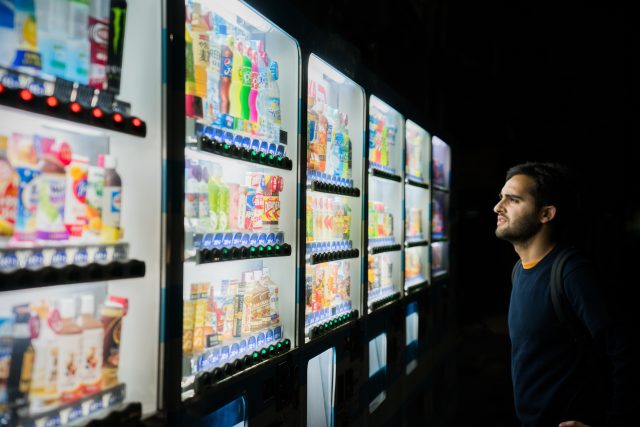
Barry Schwartz writes about the paradox of choice in his book, which is fittingly titled, The Paradox of Choice: Why More is Less (2004). Spoiler alert: in synthesizing research, he makes the case that too many choices make people feel more stressed. He talks about the staggering number of daily decisions people feel compelled to make and how these choices are rendered more challenging by our competing and sometimes conflicting values. Schwartz highlights how decisions can be time consuming, neurosis inducing and exhausting. He posits that this over-abundance of choice ultimately and ironically leads to our decreased well-being and perpetuates negative emotions such as anxiety and regret. This premise is not entirely new.
“Man is condemned to be free; because once thrown into the world, he is responsible for everything he does.” ‘
Jean-Paul Sartre
With freedom comes the responsibility to choose, and to choose wisely. Predating the pandemic, there were innumerable choices to agonize about, many of which now seem a bit frivolous, e.g.,
Should I pack a lunch? Maybe I should go out for lunch. Should I invite Delia, or Sheri, or both? Where should we go? Delia is a vegetarian, and Sheri is gluten intolerant. Screw it, maybe I’ll just invite Tessa. She eats everything. Wait, Eric’s birthday is coming up. I should really put that money aside for that new hockey stick he wants. But he also said he wants ‘an experience’ – should I take him to a hockey game? I hate hockey.
We live with so much internal noise. We turn to numbing agents to dull this commotion whether we seek pacification through wine, food, Netflix, drugs or a winning combination thereof. Although many of us are still desperately trying to find ways to pacify ourselves, most of us are no longer agonizing about our endless options. That is not to say there are no choices to be made during the pandemic, but they are limited and different.
Some choices are now practical and simpler,
“Do we have enough food for the week? Enough Lysol wipes? Is it gross if I wear the same sweatshirt for a fourth day in a row?”
Some choices are more existential, and bring with them a sense of heaviness; e.g.,
Will the psychological benefits of visiting my mother who feels indefinitely held hostage outweigh the cost of potentially exposing her to Covid? Will I be able to pay my bills next month? Who in my circle needs help and what supports can I comfortably offer?”
Though some of these current decisions feel immensely sad and exhausting, they also feel less frivolous. I see Barry Schwartz’s point and had it not been brought on by a pandemic, I would welcome some of this reduction of internal noise. I personally find myself more stressed, but simultaneously feel a clearer and more acute sense of priorities.